Архивы автора: nongyongji

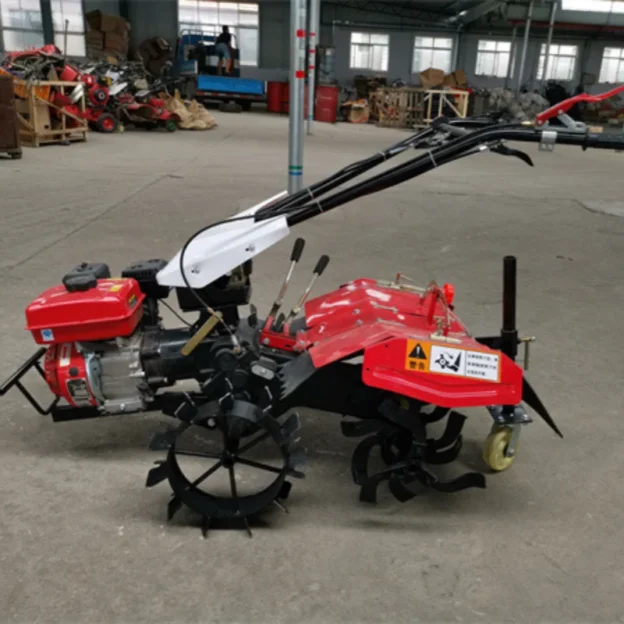
3TGQ-4Z Direct Drive Garden Manager | Multi-function Mini Tiller

This 3TGQ-4Z direct drive garden manager features flexible operation. It supports rotary tillage, weeding, ditching and backfilling, ideal for orchards and greenhouses. Compact body suits narrow plots, helps farmers finish soil preparation work efficiently and save labor cost.

Технические характеристики

Артикул 3TGQ-4Z
Модель (модель) 3TGQ-4Z (Direct Drive)
Matching Power 170F/177F Gasoline Engine, 173/178F Diesel Engine
Working Width 600-800 mm
Working Depth 100-300 mm
Machine Weight 80 / 110 KG
Main Functions Rotary tillage, weeding, ditching, backfilling
Iii. Применимые сценарии Orchards, greenhouses, small farmland


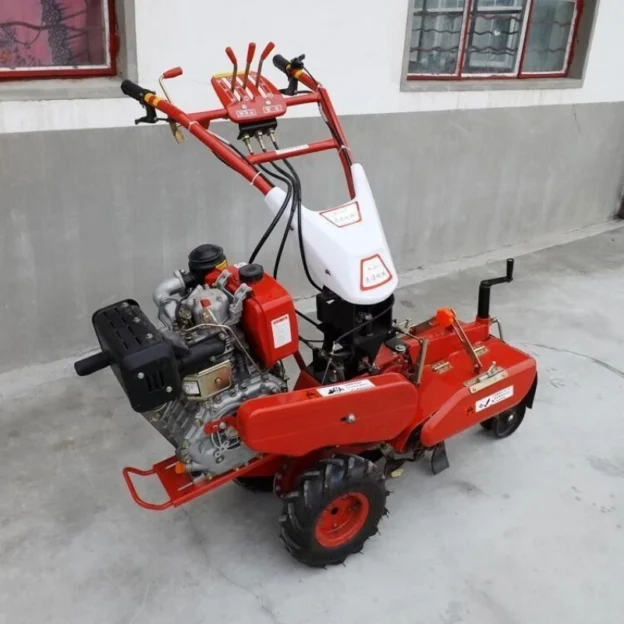
3TG-6Q Garden Manager | Multi-function Mini Cultivator

This 3TG-6Q garden management machine supports multiple farm operations including ditching, ridging, hilling and weeding. It fits 8-12hp gasoline or diesel engine, widely used for green onion, ginger, potato, grape and other cash crops. Compact and flexible for small farms, orchards and vegetable fields, greatly save labor cost.

Технические характеристики

Артикул 3TG-6Q
Модель (модель) 3TG-6Q
Matching Power 8-12 HP Gasoline / Diesel Engine
Main Functions Ditching, Ridging, Hilling, Deep Tillage, Weeding, Deep Trenching, Vine Burying, Field Transport
Applicable Crops Green onion, Ginger, Potato, Tobacco, Sugarcane, Grape, Cash Crops
Application Scene Vegetable plots, Orchards, Small farmland

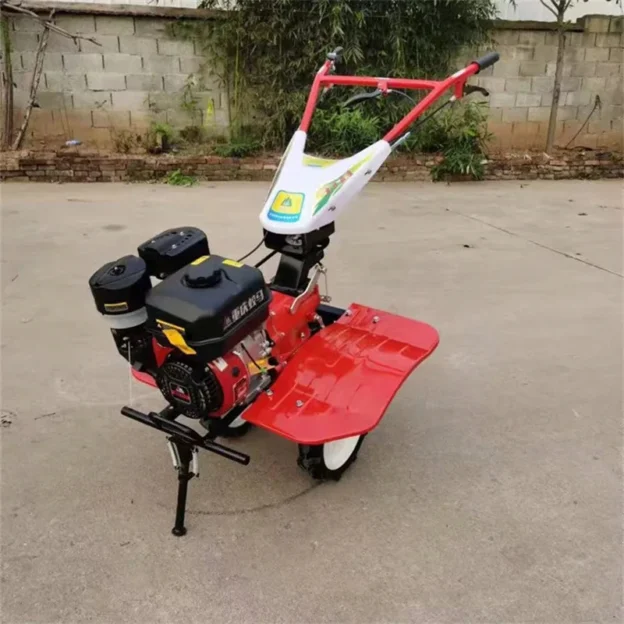
1WG-4Z Micro Tiller | Hand Held Garden Rotary Cultivator

This 1WG-4Z micro tiller adopts direct-connected transmission. It is economical, lightweight and easy to operate. By changing tools, it can finish weeding, tillage, seeding and ditching, ideal for greenhouses, orchards, vineyards, terraces and small farmland.

Технические характеристики

Артикул 1WG-4Z
Модель (модель) 1WG-4Z
Transmission Mode Direct-connected transmission
Matching Engine 170 Gasoline Engine
Available Operations Weeding, tillage, seeding, ditching
Iii. Применимые сценарии Greenhouse, orchard, vineyard, terraced field, small plots

1WG-3Q Vertical Axis Micro Tiller | Lightweight Garden Cultivator

This vertical axis micro tiller is lightweight and flexible in operation. It is suitable for small plots such as vegetable gardens and orchards for the elderly and women. It can complete rotary tillage, weeding and ditching operations. The compact structure makes it easy to transport and operate, greatly saving labor cost for small-scale farming and home garden planting.

Технические характеристики

Артикул 1WG-3Q
Модель (модель) 1WG-3Q
Working Width 400-500 mm
Working Depth 100-200 mm
Total Weight 30 kg
Matching Power Dajiang 150 Gasoline Engine


The Future of Agriculture: A Vision for 2035 and Beyond

Series: The Future of Agriculture — Article 12 of 12

Introduction

We began this series with a simple observation: agriculture must change. Population growth, resource depletion, climate change, labor shortages, and shifting consumer expectations are creating pressures that traditional farming cannot adequately address. Over the past eleven articles, we have explored the technologies, practices, policies, and business models that are driving the transformation. We have examined sensors and drones, AI and robots, blockchain and vertical farms, climate-smart practices and inclusion, policy and investment.

Now we arrive at the final article in the series. It is time to look forward—to imagine what agriculture might look like in 2035 and beyond. This is not about predicting the future with certainty. The future is shaped by choices, and many paths are possible. But by understanding the trends and forces at work, we can sketch a vision of what may come and consider what kind of food system we want to build.

This article explores the future of agriculture from several angles: the technologies that will mature, the farms that will emerge, the food system that will evolve, and the choices that will determine outcomes. It concludes with a reflection on the purpose of agriculture and the responsibilities that come with transformation.

The Technologies of 2035

By 2035, many of the technologies discussed in this series will have matured. They will be more capable, more affordable, and more integrated. Let us consider what each might look like.

Sensing and Data

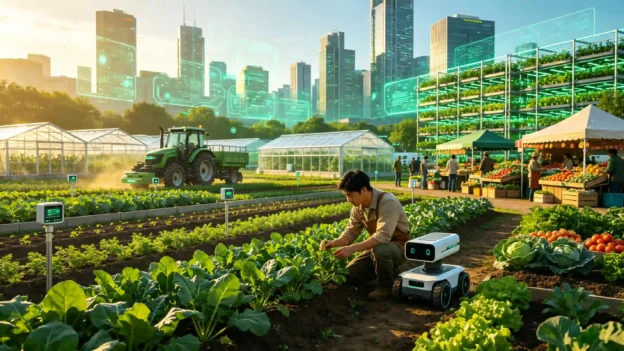
Sensors will be ubiquitous, small, and inexpensive. They will be embedded in soil, plants, machinery, and buildings. They will harvest energy from their environment, operating for years without maintenance. They will communicate wirelessly, forming dense networks that monitor every aspect of the farm.

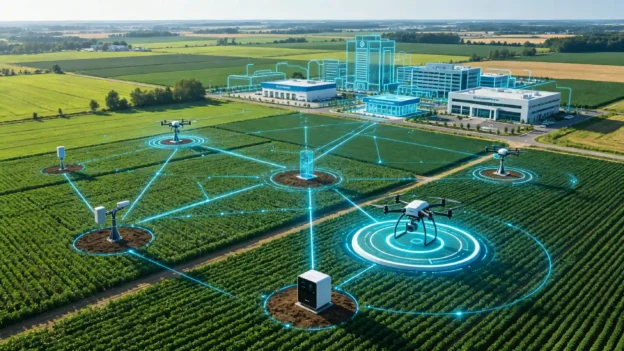
Satellites and drones will provide continuous, high-resolution imagery. Constellations of small satellites will offer daily or hourly coverage. Drones will be autonomous, launching from docking stations, flying pre-programmed routes, and returning to recharge. Data will flow seamlessly from field to cloud to farmer.

AI will make sense of this data. Models will predict weather, pests, diseases, and yields with high accuracy. They will recommend actions and automate decisions. They will learn continuously, improving with every season. Farmers will interact with AI through natural language, asking questions and receiving advice in real time.

Robotics and Automation

Robots will be common on farms by 2035. Autonomous tractors will prepare fields, plant seeds, and apply inputs with precision. Weeding robots will patrol fields, removing weeds without herbicides. Harvesting robots will pick fruits and vegetables with human-like dexterity. Drones will spray, pollinate, and monitor.

Farms will operate with minimal human intervention. Farmers will supervise fleets of robots, monitoring their performance and intervening when needed. Robots will work day and night, in all weather, without fatigue. They will be modular, with interchangeable tools for different tasks. They will be shared, leased, or owned cooperatively, making them accessible to farms of all sizes.

In controlled environments—greenhouses, vertical farms, plant factories—automation will be near-complete. Robots will plant, tend, and harvest crops in sealed, sterile environments. Production will be predictable, consistent, and year-round. These facilities will be located in cities, providing fresh food close to consumers.

Biotechnology and Breeding

Biotechnology will produce crops that are more resilient, nutritious, and productive. Gene editing will create varieties that tolerate drought, heat, salinity, and pests. They will require less water, fertilizer, and pesticide. They will be tailored to local conditions and consumer preferences.

Alternative proteins—plant-based, fermented, and cultivated—will become mainstream. They will supplement conventional meat and dairy, reducing pressure on land and water. Precision fermentation will produce proteins, fats, and flavors with minimal environmental impact. Cultivated meat will be produced at scale, though challenges remain.

Microbiome science will enhance soil health and plant growth. Microbial inoculants will replace some synthetic inputs, reducing emissions and improving soil fertility. Understanding of plant-microbe interactions will enable new approaches to pest control and nutrient management.

Blockchain and Digital Infrastructure

Blockchain and digital traceability will be standard. Every product will have a digital identity, recording its origin, production methods, and journey through the supply chain. Consumers will scan a code and see the full history of their food. Smart contracts will automate payments, insurance, and compliance.

Digital infrastructure will be public and interoperable. Data will be shared securely among farmers, advisors, researchers, and regulators. Farmers will own and control their data, benefiting from its use. Open standards will prevent lock-in and promote competition.

Energy and Sustainability

Farms will be powered by renewable energy. Solar panels, wind turbines, and biogas digesters will generate electricity and heat. Farms will be net energy producers, selling surplus to the grid. Energy storage will smooth supply and demand. Electric machinery will replace diesel, reducing emissions and noise.

Agriculture will be carbon-neutral or carbon-negative. Soil carbon sequestration, agroforestry, and reduced emissions will offset remaining greenhouse gases. Carbon markets will reward farmers for climate-smart practices. Farms will be recognized as providers of ecosystem services—clean water, biodiversity, carbon storage.

The Farms of 2035

What will farms look like in 2035? They will be diverse, as they are today, but technology will be woven into every type.

Large-Scale Commercial Farms

Large farms will be highly automated and data-driven. They will operate fleets of autonomous machines, monitored from control centers. They will use AI to optimize every decision, from planting to harvest to marketing. They will be integrated with supply chains, providing traceability and sustainability data.

These farms will produce staple crops—wheat, rice, corn, soy—efficiently and sustainably. They will also produce specialty crops for premium markets. They will be managed by skilled technicians and agronomists, supported by AI and robotics.

Smallholder Farms

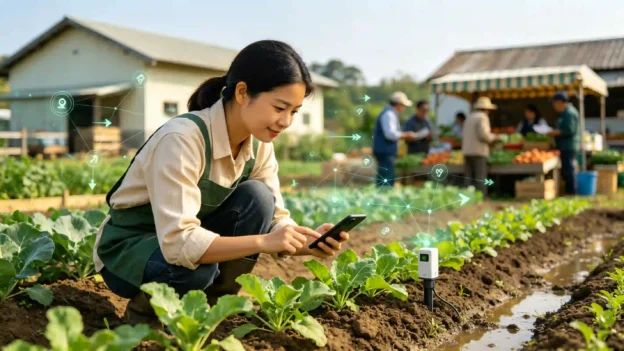
Smallholder farms will also benefit from technology, though adoption will be uneven. Mobile phones will be the primary interface. Farmers will receive weather forecasts, market prices, and agronomic advice. They will use low-cost sensors and shared equipment. Cooperatives will provide access to machinery, inputs, and markets.

Smallholders will be connected to global markets through digital platforms. They will earn premiums for sustainable, traceable products. They will participate in carbon markets and receive payments for ecosystem services. Their livelihoods will improve, though challenges will remain.

Urban and Vertical Farms

Urban and vertical farms will be common in cities. They will produce fresh greens, herbs, and berries for local consumption. They will be integrated into buildings, rooftops, and unused spaces. They will use renewable energy and recirculated water. They will provide jobs and community benefits.

These farms will not replace conventional agriculture, but they will supplement it. They will reduce food miles, improve freshness, and enhance urban resilience. They will serve as living laboratories for innovation in plant science and food technology.

Regenerative and Agroecological Farms

A growing number of farms will adopt regenerative and agroecological practices. They will prioritize soil health, biodiversity, and ecosystem services. They will integrate crops, livestock, and trees. They will use minimal synthetic inputs. They will be certified and rewarded for their environmental performance.

These farms will demonstrate that productivity and sustainability can go hand in hand. They will inspire others and shape policy. They will produce food that is healthy, nutritious, and ethically produced.

The Food System of 2035

The food system will also transform. It will be more transparent, resilient, and sustainable. It will deliver food that is safe, nutritious, and affordable. It will waste less and recycle more.

Transparency and Trust

Consumers will know where their food comes from and how it was produced. They will access this information through apps and QR codes. They will trust the food system because it is transparent and verifiable. Fraud and adulteration will be rare, detected quickly by AI and blockchain.

Resilience and Diversity

The food system will be more resilient. Diverse production systems, local supply chains, and global trade will buffer shocks. Climate-smart practices will reduce vulnerability. Early warning systems will predict and prevent crises. Food security will improve, though challenges will persist.

Sustainability and Circularity

The food system will be more sustainable. Emissions will be reduced. Water will be conserved. Waste will be minimized. Byproducts will be valorized. Packaging will be recyclable or compostable. The circular economy will be the norm.

Nutrition and Health

Food will be more nutritious. Biofortified crops, alternative proteins, and personalized nutrition will improve health outcomes. Food waste will be reduced. Access to healthy food will improve, though inequalities will remain.

Choices That Will Shape the Future

The future is not predetermined. It will be shaped by choices made by governments, companies, farmers, and consumers. Several critical choices stand out.

Invest in Public Goods

Governments must invest in public goods: research, infrastructure, education, and data. These are the foundations of innovation and inclusion. Without them, the benefits of smart agriculture will be concentrated and unequal.

Ensure Equity and Inclusion

Policies must ensure that smallholders, women, and marginalized communities benefit. Shared platforms, mobile-first solutions, and inclusive business models can help. Without deliberate effort, inequalities will deepen.

Protect Data and Privacy

Data governance must protect farmers’ rights and ensure fair benefit sharing. Farmers should own and control their data. Transparent rules and accountability mechanisms are essential.

Promote Competition and Openness

Markets must remain competitive and open. Antitrust enforcement, open standards, and support for smaller players are important. Concentration of power in a few companies can harm farmers and consumers.

Address Climate Change

Agriculture must reduce emissions and adapt to climate change. Climate-smart practices, renewable energy, and carbon markets are essential. Without action, climate change will undermine food security and development.

Foster Global Cooperation

Agriculture is global. Trade, investment, and knowledge flows across borders. International cooperation is essential for sharing technology, financing development, and managing risks. No country can solve these challenges alone.

The Purpose of Agriculture

As we look to the future, it is worth reflecting on the purpose of agriculture. Agriculture is not just an industry. It is the foundation of human civilization. It provides food, fiber, and livelihoods. It shapes landscapes, cultures, and communities. It connects us to nature and to each other.

The transformation of agriculture is not just about technology. It is about values. What kind of food system do we want? What kind of rural communities do we want? What kind of relationship do we want with the natural world? These are questions that technology alone cannot answer. They require dialogue, deliberation, and democratic choice.

Smart agriculture offers tools that can help us achieve our goals. But tools are only as good as the purposes they serve. If we use them to concentrate power, exploit workers, and degrade the environment, they will amplify harm. If we use them to empower farmers, improve livelihoods, and restore ecosystems, they will amplify good.

The choice is ours. The future of agriculture is not something that happens to us. It is something we create.

Conclusion: A Call to Action

This series has explored the development and prospects of smart agriculture. We have examined the challenges driving transformation, the technologies enabling it, the applications delivering value, the challenges limiting adoption, and the policies and business models scaling it. We have asked who benefits and how to ensure inclusion. And we have imagined what the future might hold.

The transformation of agriculture is underway. It is driven by necessity and enabled by innovation. It offers the promise of a food system that is more productive, sustainable, resilient, and equitable. But that promise is not guaranteed. It depends on choices—by governments, companies, farmers, and consumers.

The task ahead is urgent. Climate change is accelerating. Population is growing. Resources are shrinking. The window for action is narrowing. We cannot afford complacency or delay.

But the task is also inspiring. Agriculture is being reinvented. New technologies are empowering farmers. New practices are restoring landscapes. New business models are creating value. A new generation is bringing energy and ideas to farming.

The future of agriculture is being written now. Let us write it wisely.

This concludes the series “The Future of Agriculture.” Thank you for reading.


Запись опубликована автором в рубрике Insights.

Policy, Investment, and Business Models: How Smart Agriculture Scales

Series: The Future of Agriculture — Article 11 of 12

Introduction

Throughout this series, we have explored the technologies transforming agriculture: sensors, drones, AI, robots, blockchain, vertical farms, and climate-smart practices. We have examined their applications, benefits, and limitations. We have asked who will benefit and how to ensure inclusion. But one question remains: how does smart agriculture scale?

Technology alone does not transform industries. Innovation must be adopted, financed, and supported by policies and business models that make it viable. A sensor that works in a laboratory is not the same as a sensor that works on a thousand farms. A pilot project that succeeds in one region does not automatically succeed elsewhere. Scaling requires investment, infrastructure, incentives, and institutions.

This article examines the policies, investments, and business models that are driving the adoption of smart agriculture. We will look at what governments are doing, where private capital is flowing, how companies are building sustainable businesses, and what challenges remain. By understanding these dynamics, we can better assess the pace and direction of the agricultural transformation.

Why Policy Matters

Agriculture is shaped by policy. Governments influence what farmers grow, how they farm, and how much they earn. They set standards, provide subsidies, fund research, and build infrastructure. They negotiate trade agreements and regulate markets. In the context of smart agriculture, policy plays several critical roles.

First, policy creates enabling conditions. Reliable electricity, internet connectivity, and roads are prerequisites for smart agriculture. Governments that invest in rural infrastructure make adoption possible. Those that do not leave farmers isolated and unable to benefit from digital tools.

Second, policy shapes incentives. Subsidies, taxes, and regulations influence whether farmers adopt new technologies. Incentives for precision irrigation, conservation agriculture, or carbon sequestration can accelerate adoption. Conversely, policies that favor input-intensive farming can slow the transition to smarter practices.

Third, policy supports research and development. Public funding for agricultural research has driven many of the innovations discussed in this series. Continued investment is essential for developing new technologies, adapting them to local conditions, and evaluating their impacts.

Fourth, policy protects public interests. Smart agriculture raises questions about data ownership, privacy, market concentration, and labor displacement. Governments must ensure that the benefits of innovation are widely shared and that risks are managed. This requires regulation, oversight, and public dialogue.

Government Policies Supporting Smart Agriculture

Governments around the world are developing policies to support smart agriculture. While approaches vary, several common themes emerge.

National Strategies and Roadmaps

Many countries have developed national strategies for digital agriculture. These strategies set goals, identify priorities, and coordinate action across agencies. They often include targets for adoption, investment in infrastructure, and support for research and innovation.

For example, the European Union has developed a strategy for digitalizing agriculture, including investment in broadband, data platforms, and precision farming. China has made smart agriculture a priority in its rural revitalization strategy, promoting digital villages and agricultural modernization. Japan has invested heavily in automation and robotics to address its aging farm population. India has launched digital agriculture initiatives, including mobile advisory services and soil health cards.

These strategies vary in scope and ambition. Some are comprehensive, with dedicated funding and implementation plans. Others are aspirational, lacking resources or coordination. The most effective strategies combine vision with concrete actions, clear responsibilities, and adequate funding.

Infrastructure Investment

Rural broadband is a foundational investment. Without connectivity, smart agriculture is impossible. Governments are expanding broadband coverage through public investment, subsidies, and partnerships with telecom companies. They are also investing in electricity, roads, and markets, which are essential for rural development.

Digital infrastructure includes data platforms, cloud services, and interoperability standards. Governments can support these by funding public platforms, setting standards, and facilitating data sharing. They can also ensure that data is accessible, secure, and governed fairly.

Research, Development, and Innovation

Public research institutions have been instrumental in developing agricultural technologies. Governments fund research on sensors, AI, robotics, and climate-smart practices. They support extension services that disseminate knowledge to farmers. They fund demonstration projects that test technologies in real conditions.

Innovation ecosystems—including universities, startups, accelerators, and incubators—are also important. Governments can support these through grants, tax incentives, and regulatory sandboxes. They can foster collaboration between researchers, entrepreneurs, and farmers.

Subsidies and Incentives

Subsidies and incentives can accelerate adoption. Governments may subsidize the purchase of sensors, drones, or precision equipment. They may offer tax credits for investment in smart agriculture. They may provide payments for ecosystem services, such as carbon sequestration or water conservation.

Incentives must be designed carefully. They should target technologies and practices with proven benefits. They should be accessible to smallholders, not just large farms. They should be time-limited, so they do not become permanent dependencies. And they should be evaluated to ensure they achieve their goals.

Regulation and Standards

Regulation is essential for safety, privacy, and fair competition. Governments set standards for equipment, data, and food safety. They regulate drone flights, pesticide use, and genetic modification. They protect farmers’ data rights and prevent monopolistic practices.

Standards also enable interoperability. When devices and platforms use common standards, they can work together, reducing costs and increasing value. Governments can support standards development and adoption through policy and procurement.

Trade and Market Policies

Trade policies affect agricultural markets and technology flows. Open trade can expand markets for smart agriculture products. It can also expose farmers to competition. Governments must balance these effects, supporting farmers while promoting innovation.

Market policies—including price supports, procurement, and labeling—can influence adoption. For example, procurement policies that favor sustainably produced food can create demand for climate-smart practices. Labeling standards that verify origin and production methods can support traceability and premium pricing.

Investment Trends and Opportunities

Private investment in agricultural technology has grown dramatically in recent years. Venture capital, private equity, and corporate investment are flowing into smart agriculture. This investment is driving innovation, scaling companies, and transforming food systems.

Venture Capital and Startups

Venture capital has funded hundreds of agricultural technology startups. These startups are developing sensors, drones, AI platforms, robotics, and marketplaces. They are attracting talent and capital to agriculture, an industry that has historically been underinvested.

Investment themes include precision agriculture, farm management software, alternative proteins, vertical farming, supply chain traceability, and rural fintech. Some startups have achieved significant scale; others have failed. The sector is dynamic and competitive, with high risks and high potential rewards.

Corporate Investment and Partnerships

Large corporations—including equipment manufacturers, chemical companies, food processors, and retailers—are investing in smart agriculture. They are acquiring startups, forming partnerships, and developing their own technologies. They are motivated by the need to secure supply, meet sustainability goals, and capture new markets.

Corporate investment can accelerate scaling. Large companies have distribution networks, customer relationships, and capital. They can bring technologies to market faster than startups alone. However, corporate involvement also raises concerns about market concentration and the balance of power between companies and farmers.

Impact Investment and Development Finance

Impact investors and development finance institutions are investing in smart agriculture with a focus on social and environmental outcomes. They fund projects that improve smallholder livelihoods, reduce poverty, and enhance climate resilience. They often blend commercial and concessional capital to manage risk and attract private investment.

Development finance institutions—such as the World Bank, the International Finance Corporation, and regional development banks—provide loans, guarantees, and technical assistance. They support infrastructure, research, and inclusive business models. Their involvement is essential for reaching smallholders and underserved regions.

Carbon Markets and Ecosystem Services

Carbon markets are emerging as a new source of finance for agriculture. Farmers can earn credits for sequestering carbon, reducing emissions, or adopting climate-smart practices. These credits can be sold to companies or governments seeking to offset their emissions.

Carbon markets are still developing, and challenges remain, including measurement, verification, and equitable benefit sharing. But they represent a significant opportunity to finance the transition to climate-smart agriculture. Other ecosystem services—such as water conservation, biodiversity, and soil health—may also be monetized in the future.

Business Models for Smart Agriculture

Scaling smart agriculture requires viable business models. Companies must generate revenue, cover costs, and earn profits. Different models have emerged, each with strengths and limitations.

Software as a Service (SaaS)

SaaS is a common model for farm management platforms. Farmers pay a subscription fee to access software that helps them plan, monitor, and manage their operations. The software may integrate data from sensors, drones, and satellites. It may provide recommendations, alerts, and reports.

SaaS offers recurring revenue and scalability. It can be delivered via mobile phones, making it accessible to smallholders. However, adoption depends on perceived value, and farmers may be reluctant to pay for software. Freemium models, where basic services are free and premium features are paid, can help attract users.

Equipment Leasing and Pay-Per-Use

Leasing and pay-per-use models reduce upfront costs for farmers. Instead of buying a drone or robot, farmers can rent it or pay for each use. Service providers own and maintain the equipment, spreading costs across many customers.

These models are particularly suitable for expensive equipment and seasonal tasks. They make advanced technology accessible to smallholders and reduce risk. However, they require logistics, maintenance, and customer support, which can be challenging in rural areas.

Data and Analytics Services

Data is a valuable asset in smart agriculture. Companies can collect data from sensors, drones, and satellites and sell analytics and insights to farmers, agribusinesses, and financial institutions. They can also use data to develop new products and services.

Data services raise questions about ownership and privacy. Farmers should benefit from their data and control how it is used. Transparent data policies and fair benefit-sharing arrangements are essential for building trust and ensuring equitable outcomes.

Input and Output Marketplaces

Digital marketplaces connect farmers with input suppliers and buyers. They reduce transaction costs, improve price transparency, and expand market access. They can also provide financing, insurance, and logistics services.

Marketplaces generate revenue through commissions, subscriptions, or advertising. They can be powerful platforms for scaling smart agriculture, especially in developing countries. However, they require trust, liquidity, and logistics to succeed.

Integrated Solutions

Some companies offer integrated solutions, combining hardware, software, and services. They provide sensors, platforms, analytics, and support as a package. This can simplify adoption for farmers and increase value capture for companies.

Integrated solutions can be effective but complex. They require expertise across multiple domains and significant investment. They may also lock farmers into proprietary systems, limiting choice and competition. Open standards and interoperability are important to mitigate these risks.

Cooperative and Shared Ownership Models

Cooperatives and shared ownership models allow farmers to collectively own and manage smart agriculture assets. Farmers pool resources to purchase equipment, hire specialists, and access markets. They share costs and benefits.

These models are well-suited to smallholders and can strengthen bargaining power. They require strong governance, trust, and management capacity. Support from governments, NGOs, and cooperatives can help them succeed.

Challenges to Scaling

Despite progress, scaling smart agriculture faces significant challenges. Fragmentation is one. Agriculture is diverse, with many crops, regions, and farming systems. Solutions that work in one context may not work in another. Scaling requires adaptation, which is costly and time-consuming.

Financing gaps are another challenge. Early-stage innovation is often funded by grants and venture capital, but scaling requires larger investments. The “valley of death” between pilot and commercial scale is a common obstacle. Blended finance, public-private partnerships, and de-risking mechanisms can help bridge this gap.

Market concentration is a concern. As large companies acquire startups and consolidate markets, power may concentrate in a few players. This can reduce competition, raise prices, and limit choices for farmers. Antitrust enforcement and support for smaller players are important.

Data governance is unresolved. Who owns agricultural data? How should it be shared? How can farmers benefit? These questions are not fully answered. Clear rules and fair practices are needed to build trust and ensure equitable outcomes.

Skills and capacity are limited. Scaling requires trained technicians, advisors, and entrepreneurs. Education and training systems must adapt to meet this demand. Extension services must be strengthened and modernized.

Finally, there is the risk of hype. Smart agriculture is often presented as a silver bullet, but it is not. It is a set of tools that can help, but it requires careful implementation, supportive policies, and realistic expectations. Overpromising can lead to disappointment and disinvestment.

The Future of Scaling Smart Agriculture

The future of smart agriculture will be shaped by policy, investment, and business model innovation. Several trends are likely to accelerate scaling.

Policy will become more supportive. Governments are recognizing the importance of smart agriculture for food security, climate resilience, and economic growth. National strategies, infrastructure investment, and incentives will expand. International cooperation will support developing countries.

Investment will continue to grow. Venture capital, corporate investment, and impact finance will flow into smart agriculture. Carbon markets and ecosystem services will provide new revenue streams. Blended finance will mobilize private capital for public goals.

Business models will mature. SaaS, leasing, marketplaces, and integrated solutions will evolve. New models will emerge, including cooperative ownership, data cooperatives, and public platforms. Competition and experimentation will drive innovation.

Technology will become more affordable and accessible. Sensors, drones, and AI will continue to improve and fall in price. Mobile phones will remain the primary interface for most farmers. Open-source tools and shared platforms will lower barriers.

Perhaps most importantly, scaling will require a focus on outcomes, not just technology. The goal is not to adopt technology for its own sake, but to improve productivity, sustainability, and livelihoods. Policies, investments, and business models must be evaluated against these outcomes. Success will be measured not by how many sensors are deployed, but by how many farmers benefit and how much the environment improves.

Conclusion

Scaling smart agriculture requires more than technology. It requires supportive policies, adequate investment, and viable business models. Governments create enabling conditions through infrastructure, research, incentives, and regulation. Investors provide capital for innovation and growth. Companies develop products and services that farmers need and can afford.

Challenges remain, including fragmentation, financing gaps, market concentration, data governance, skills, and hype. But the trajectory is clear. Smart agriculture is scaling, driven by policy, investment, and business model innovation. With the right choices, it can transform agriculture and food systems, benefiting farmers, consumers, and the planet.

In the final article in this series, we will look to the future. We will explore what agriculture might look like in 2035 and beyond, considering the technologies, trends, and choices that will shape the next decade. We will ask what kind of food system we want and how to build it.

Next in the series: “The Future of Agriculture: A Vision for 2035 and Beyond”


Can Smallholders Benefit? Inclusion and Equity in Smart Agriculture

Series: The Future of Agriculture — Article 10 of 12

Introduction

Throughout this series, we have explored the technologies transforming agriculture: sensors, drones, AI, robots, blockchain, vertical farms, and climate-smart practices. These innovations promise greater productivity, sustainability, and resilience. But a critical question remains: who will benefit?

Most of the world’s farms are small. According to the Food and Agriculture Organization (FAO), smallholder farms—those under two hectares—number around 500 million and support billions of people. They produce a significant share of the world’s food, especially in developing countries. Yet many smallholders are poor, vulnerable, and lack access to the technologies and markets that could improve their lives.

If smart agriculture benefits only large farms in wealthy countries, it will deepen inequalities and leave millions behind. If it benefits smallholders too, it could transform rural livelihoods and global food security. This article examines the question of inclusion and equity in smart agriculture. We will explore the barriers smallholders face, the models that can help them benefit, and the policies and partnerships needed to ensure that the agricultural transformation is just.

Who Are Smallholder Farmers?

Smallholder farmers are farmers who cultivate small plots of land, typically less than two hectares. They may own or rent their land, and they often rely on family labor. They may grow crops for subsistence, for local markets, or for export. They may also raise livestock or fish.

Smallholders are diverse. They include subsistence farmers in sub-Saharan Africa, rice growers in Southeast Asia, coffee producers in Latin America, and vegetable growers near cities around the world. They differ in resources, skills, and aspirations. Some are highly entrepreneurial; others struggle to survive. Understanding this diversity is essential for designing effective policies and programs.

Despite their differences, smallholders share common challenges. They often lack access to credit, insurance, and markets. They face high transaction costs and weak bargaining power. They are vulnerable to weather, pests, and price shocks. They may have limited access to information, training, and technology. And they are disproportionately affected by climate change and environmental degradation.

Smallholders are also critical to food security. They produce a large share of the food consumed in developing countries, especially in rural areas. Supporting them is essential for reducing hunger and poverty. If smart agriculture can help smallholders increase productivity and incomes, it can contribute to sustainable development on a massive scale.

Barriers to Adoption

Smallholders face several barriers to adopting smart agriculture technologies. Understanding these barriers is the first step toward overcoming them.

Cost and Affordability

Cost is the most obvious barrier. Sensors, drones, robots, and software are expensive. Even low-cost technologies can be out of reach for farmers living on less than two dollars a day. The cost includes not only the initial purchase but also maintenance, subscriptions, and training. For smallholders with limited cash flow and no access to credit, these costs are prohibitive.

Cost also includes opportunity cost. Time spent learning new technologies is time not spent on farming or other income-generating activities. For farmers struggling to make ends meet, this is a real constraint.

Infrastructure and Connectivity

Smart agriculture depends on infrastructure: electricity, internet, roads, and markets. Many rural areas lack reliable electricity, making it difficult to power sensors, charge devices, or run equipment. Internet connectivity is often slow, expensive, or unavailable. Without connectivity, IoT devices and cloud platforms cannot function.

Roads and transport are also important. Without good roads, farmers cannot get inputs or sell produce. Markets may be distant and inaccessible. Infrastructure investments are essential for smart agriculture to reach smallholders.

Digital Skills and Literacy

Smart agriculture requires digital skills: using smartphones, interpreting data, operating equipment. Many smallholders, especially older farmers and women, lack these skills. Literacy and numeracy may also be limited. Training and support are essential, but they are often unavailable or inadequate.

Language is another barrier. Many digital tools are available only in English or a few major languages. Farmers who speak local languages may be unable to use them. Localization is essential for inclusion.

Land Tenure and Farm Size

Land tenure affects adoption. Farmers who do not own their land may be reluctant to invest in technologies that improve it. They may fear losing their land or not reaping the benefits of their investment. Secure land rights are essential for long-term investment.

Farm size also matters. Many technologies are designed for large farms and do not scale down well. A drone or robot that works on a thousand hectares may not be suitable for one hectare. Technologies must be adapted to small farm sizes and diverse conditions.

Risk and Uncertainty

Smallholders are risk-averse, and for good reason. A failed crop can mean hunger or bankruptcy. Adopting new technologies involves risk: the technology may not work, the market may not materialize, the benefits may not outweigh the costs. Without insurance, credit, and safety nets, smallholders may be unwilling to take these risks.

Market Access and Bargaining Power

Even if smallholders increase production, they may not be able to sell it profitably. Market access is limited by distance, transport costs, and middlemen. Bargaining power is weak, and prices are often low and volatile. Smart agriculture can improve production, but without market access, benefits may not translate into income.

Institutional and Policy Barriers

Policies and institutions may not support smallholder adoption. Extension services may be underfunded and focused on traditional practices. Research may prioritize large farms and export crops. Regulations may favor large players. Coordination among government, private sector, and civil society may be weak.

Models That Can Work for Smallholders

Despite these barriers, there are models that can help smallholders benefit from smart agriculture. The following sections describe some of the most promising.

Shared Platforms and Cooperatives

Shared platforms allow multiple farmers to access technology without individually owning it. Cooperatives, farmer groups, and service providers can own and operate equipment, sensors, and software. Farmers pay for services—such as drone spraying, soil testing, or data analysis—rather than purchasing equipment. This reduces costs and increases access.

Cooperatives also strengthen bargaining power. By aggregating production, farmers can negotiate better prices and access larger markets. They can share knowledge and support each other. Cooperatives are a proven model for smallholder development, and they can be adapted for smart agriculture.

Mobile-First Solutions

Mobile phones are widespread, even in rural areas. Mobile-first solutions leverage this penetration to deliver smart agriculture services. Farmers can receive weather forecasts, market prices, and agronomic advice via SMS or apps. They can use mobile payment systems to buy inputs and sell produce. They can access remote sensing data and AI-powered recommendations.

Mobile-first solutions are low-cost, accessible, and scalable. They do not require expensive equipment or reliable electricity. They can be localized and designed for low literacy users. They are already transforming agriculture in many developing countries.

Low-Cost Sensors and Open-Source Tools

Low-cost sensors and open-source software are making smart agriculture more affordable. Arduino and Raspberry Pi platforms enable farmers and researchers to build custom sensors at low cost. Open-source software provides free tools for data analysis and visualization. These solutions reduce costs and empower users to adapt technology to their needs.

Community-based innovation is also emerging. Farmer innovation hubs, makerspaces, and hackathons bring together farmers, engineers, and entrepreneurs to develop solutions. These initiatives can produce technologies that are tailored to local conditions and affordable for smallholders.

Inclusive Business Models

Inclusive business models engage smallholders as partners, not just beneficiaries. Companies can source from smallholders, provide training and inputs, and share value. They can offer pay-as-you-go models, leasing, and microfinance. They can integrate smallholders into supply chains and provide market access.

Inclusive business models benefit both companies and farmers. Companies gain reliable supply and social license. Farmers gain access to markets, technology, and support. Governments can incentivize inclusive models through policy and procurement.

Public-Private Partnerships

Public-private partnerships can mobilize resources and expertise to support smallholder adoption. Governments can provide funding, infrastructure, and policy support. Companies can provide technology, services, and market access. NGOs and research institutions can provide training, data, and evaluation.

Partnerships can be complex and require careful design. But when well-designed, they can achieve impact at scale. Examples include digital advisory services, weather index insurance, and traceability programs.

Farmer-to-Farmer Learning

Farmers learn best from other farmers. Farmer-to-farmer learning—through field days, demonstration plots, and peer networks—is an effective way to spread smart agriculture practices. Lead farmers can test technologies and share results. Community videos and radio programs can reach remote areas. This approach builds trust and adapts technologies to local contexts.

Policies and Partnerships for Inclusion

Ensuring that smart agriculture benefits smallholders requires supportive policies and partnerships. The following are key priorities.

Invest in Rural Infrastructure

Governments must invest in rural electricity, internet, roads, and markets. These are prerequisites for smart agriculture. Public investment can leverage private investment and create enabling conditions for adoption.

Expand Access to Finance

Smallholders need access to credit, insurance, and savings. Microfinance, mobile money, and index insurance can help. Governments can provide guarantees, subsidies, and incentives. Financial institutions can develop products tailored to smallholders.

Strengthen Extension and Training

Extension services must be strengthened and modernized. They should include digital skills, climate-smart practices, and business management. They should be accessible to women, youth, and marginalized groups. Digital tools can complement face-to-face extension.

Support Research and Development

Research must prioritize smallholder needs. This includes developing affordable technologies, adapting technologies to small farms, and understanding adoption barriers. Participatory research, involving farmers as partners, is essential.

Promote Secure Land Rights

Secure land rights encourage investment and sustainable practices. Governments should strengthen land tenure, especially for women and marginalized groups. This is a foundation for inclusive agricultural development.

Foster Inclusive Markets

Markets must work for smallholders. This includes reducing transaction costs, improving market information, and strengthening bargaining power. Cooperatives, contract farming, and direct-to-consumer models can help. Standards and certification should be accessible to smallholders.

Ensure Data Rights and Privacy

As agriculture becomes more data-driven, data rights and privacy become critical. Farmers should own and control their data. They should benefit from its use. Policies and regulations are needed to protect farmers and ensure fair data governance.

The Future of Inclusion in Smart Agriculture

The future of inclusion in smart agriculture depends on choices made today. If current trends continue, smart agriculture may benefit mainly large farms and wealthy farmers, deepening inequalities. But with deliberate effort, it can benefit smallholders too, transforming rural livelihoods and food systems.

Technology will continue to improve and become more affordable. Mobile phones, low-cost sensors, and open-source tools will expand access. AI and satellite data will provide insights that were once available only to large farms. Shared platforms and inclusive business models will lower barriers.

Policy will be decisive. Governments that invest in infrastructure, finance, extension, research, and land rights will enable smallholder adoption. Those that do not will leave smallholders behind. International cooperation and financing will be essential, especially for the poorest countries.

Partnerships will be essential. No single actor can solve the challenge alone. Governments, companies, NGOs, research institutions, and farmers must work together. Trust, transparency, and shared goals are essential.

Perhaps most importantly, smallholders must be at the center. Solutions must be designed with them, not for them. Their knowledge, priorities, and constraints must shape the technologies and policies that affect them. This is not only a matter of justice but also of effectiveness. Solutions that ignore smallholders will fail to achieve impact at scale.

Conclusion

Smart agriculture has the potential to transform farming and food systems. But its benefits are not automatic or equally shared. Smallholders face significant barriers: cost, infrastructure, skills, land tenure, risk, market access, and policy. Overcoming these barriers requires deliberate effort, including shared platforms, mobile-first solutions, low-cost tools, inclusive business models, public-private partnerships, and farmer-to-farmer learning.

Policies and partnerships are essential. Investments in infrastructure, finance, extension, research, land rights, markets, and data governance can create enabling conditions for inclusion. With the right choices, smart agriculture can benefit smallholders, reduce poverty, and improve food security. With the wrong choices, it can deepen inequalities and leave millions behind.

In the next article in this series, we will explore the policies, investments, and business models that are shaping the future of smart agriculture. We will examine how governments, companies, and investors are driving the transformation—and what needs to change to ensure that it delivers on its promise.

Next in the series: “Policy, Investment, and Business Models: How Smart Agriculture Scales”


Запись опубликована автором в рубрике Insights.

Climate-Smart Agriculture: Building Resilience in a Changing World

Series: The Future of Agriculture — Article 9 of 12


Introduction

In the first article of this series, we identified climate change as one of the most powerful forces reshaping agriculture. Rising temperatures, shifting rainfall patterns, and more frequent extreme weather events are already affecting crop yields, livestock production, and the livelihoods of farmers around the world. Climate change is not a distant threat; it is a present reality that agriculture must confront.

But agriculture is not only a victim of climate change. It is also a contributor. Farming accounts for roughly a quarter of global greenhouse gas emissions, including methane from livestock, nitrous oxide from fertilizers, and carbon dioxide from deforestation and land conversion. This creates a dual challenge: agriculture must adapt to a changing climate while also reducing its own impact on the climate.

Climate-smart agriculture (CSA) is a response to this challenge. It is an approach that aims to achieve three objectives simultaneously: increase productivity and incomes, build resilience to climate change, and reduce greenhouse gas emissions. In this article, we explore what climate-smart agriculture is, the practices and technologies it involves, the challenges it faces, and its role in building a sustainable food future.

What Is Climate-Smart Agriculture?

Climate-smart agriculture is not a single technology or practice. It is a framework for developing agricultural strategies that address the interlinked challenges of food security and climate change. The concept was introduced by the Food and Agriculture Organization (FAO) in 2010 and has since been adopted by governments, researchers, and development organizations around the world.

Climate-smart agriculture has three pillars. The first is productivity: sustainably increasing agricultural productivity and incomes. The second is adaptation: building resilience and reducing vulnerability to climate change. The third is mitigation: reducing greenhouse gas emissions and enhancing carbon sequestration where possible.

These three pillars are not always in harmony. Increasing productivity can increase emissions. Reducing emissions can reduce productivity. Building resilience can require investments that smallholders cannot afford. Climate-smart agriculture recognizes these trade-offs and seeks solutions that balance them. It is context-specific, tailored to local conditions, and focused on outcomes rather than prescriptions.

Why Climate-Smart Agriculture Matters

The case for climate-smart agriculture is urgent. Global temperatures are rising, and the impacts on agriculture are becoming more severe. Heat stress reduces the productivity of staple crops such as wheat, rice, and maize. Droughts and floods destroy harvests and displace farming communities. Pests and diseases are spreading to new regions as temperatures warm. The Intergovernmental Panel on Climate Change (IPCC) warns that climate change will increasingly undermine food security, particularly in vulnerable regions such as sub-Saharan Africa, South Asia, and small island states.

At the same time, agriculture must reduce its emissions. If global warming is to be limited to 1.5 or 2 degrees Celsius, as envisioned in the Paris Agreement, all sectors—including agriculture—must contribute. Agriculture has significant mitigation potential, especially through soil carbon sequestration, improved fertilizer management, and reduced deforestation.

Climate-smart agriculture also matters for economic reasons. Farmers who adopt climate-smart practices can reduce risk, improve yields, and increase incomes. They can access new markets, including carbon markets and sustainability-linked supply chains. They can build resilience to shocks that would otherwise devastate their livelihoods. For governments and development organizations, climate-smart agriculture is a way to achieve food security, poverty reduction, and climate goals simultaneously.

Key Practices and Technologies

Climate-smart agriculture encompasses a wide range of practices and technologies. The following sections describe some of the most important.

Conservation Agriculture

Conservation agriculture is a set of practices that minimize soil disturbance, maintain soil cover, and diversify crop rotations. It includes no-till or minimum-till farming, which avoids plowing and preserves soil structure. It includes cover cropping, which protects soil between cash crops. And it includes crop rotation and intercropping, which improve soil health and reduce pests.

Conservation agriculture improves soil health, increases water retention, and reduces erosion. It also sequesters carbon in the soil, contributing to mitigation. Healthy soil holds more water, making farms more resilient to drought. It also supports beneficial organisms, reducing the need for synthetic inputs. These benefits make conservation agriculture a cornerstone of climate-smart farming.

Precision Agriculture

Precision agriculture, as discussed in earlier articles, uses sensors, GPS, and data analytics to optimize inputs. It reduces fertilizer and pesticide use, lowering emissions and costs. Variable-rate application ensures that nutrients are applied only where they are needed, reducing nitrous oxide emissions and nutrient runoff.

Precision irrigation, guided by soil moisture sensors and weather data, reduces water use and energy consumption. It also improves crop health and yields. Precision agriculture is a key tool for both adaptation and mitigation, helping farmers produce more with less.

Agroforestry

Agroforestry integrates trees and shrubs into crop and livestock systems. Trees provide shade, reduce wind, improve soil health, and diversify income. They also sequester carbon, contributing to mitigation. Agroforestry systems can be more resilient to climate shocks, providing multiple products and income streams.

Examples of agroforestry include alley cropping, where crops are grown between rows of trees; silvopasture, where trees are integrated into pasture systems; and home gardens, where trees, crops, and livestock are combined on small plots. Agroforestry is particularly well-suited to smallholder farmers, who can benefit from diversified production and reduced risk.

Improved Livestock Management

Livestock production is a major source of methane, a potent greenhouse gas. Improved management practices can reduce emissions and increase productivity. These include better feeding, which reduces methane per unit of milk or meat; improved breeding, which increases productivity; and manure management, which captures methane for energy or reduces emissions.

Grazing management also matters. Rotational grazing, where animals are moved between paddocks, improves pasture health and sequesters carbon. Silvopasture, which integrates trees into grazing systems, provides shade and reduces heat stress. These practices improve animal welfare, productivity, and environmental performance.

Water Management

Water management is critical for adaptation. Climate change is altering rainfall patterns, making water less predictable. Practices such as rainwater harvesting, drip irrigation, and soil moisture conservation help farmers use water more efficiently. They reduce vulnerability to drought and improve yields.

Wetland restoration and managed aquifer recharge can also enhance water availability. These practices store water during wet periods and release it during dry periods, buffering against variability. They also support ecosystems and biodiversity.

Climate-Resilient Crops

Developing crops that tolerate heat, drought, salinity, and pests is essential for adaptation. Plant breeding, both conventional and biotechnological, has produced varieties that perform better under stress. Examples include drought-tolerant maize, heat-tolerant wheat, and salt-tolerant rice.

Genetic diversity is also important. Farmers who grow a mix of varieties and crops are less vulnerable to pests, diseases, and weather extremes. Seed banks and community seed systems preserve diversity and ensure access to resilient varieties. These resources are essential for adapting to an uncertain future.

Carbon Farming and Soil Carbon Sequestration

Carbon farming refers to practices that sequester carbon in soil and vegetation. These include conservation agriculture, agroforestry, cover cropping, and rotational grazing. By storing carbon, farms can offset emissions and contribute to climate mitigation.

Carbon markets allow farmers to earn credits for sequestering carbon. These credits can be sold to companies or governments seeking to offset their emissions. This creates a new income stream for farmers and incentivizes climate-smart practices. However, measuring and verifying soil carbon is challenging, and markets are still developing.

Renewable Energy and Energy Efficiency

Agriculture uses significant energy for irrigation, machinery, heating, and cooling. Switching to renewable energy—solar, wind, biogas—reduces emissions and costs. Energy efficiency measures, such as improved irrigation pumps and efficient lighting, also reduce consumption.

On-farm renewable energy can also provide income. Solar panels on barns and greenhouses generate electricity that can be sold to the grid. Biogas digesters convert manure into energy, reducing methane emissions and providing fuel. These systems improve sustainability and profitability.

Digital Technologies and Climate-Smart Agriculture

The technologies discussed throughout this series—sensors, drones, AI, blockchain, and robotics—are powerful enablers of climate-smart agriculture. They provide the data and precision needed to implement climate-smart practices effectively.

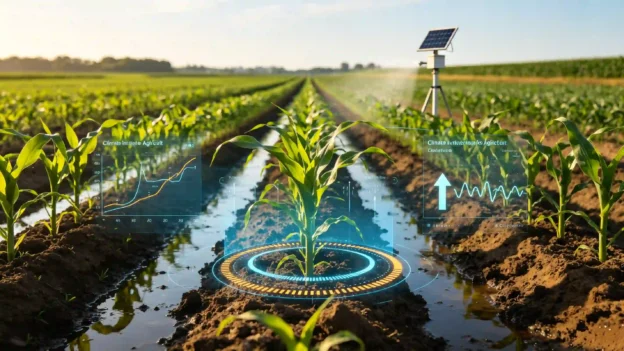
Sensors monitor soil moisture, temperature, and nutrients, enabling precise irrigation and fertilization. Drones and satellites monitor crop health and detect stress early, allowing timely interventions. AI analyzes data to predict weather, pests, and yields, supporting proactive management. Blockchain provides traceability, verifying sustainability claims and enabling carbon markets. Robotics enables precise planting, weeding, and harvesting, reducing inputs and emissions.

Digital technologies also enable climate-smart agriculture at scale. They allow farmers, advisors, and policymakers to monitor conditions, target interventions, and measure outcomes. They support coordination across landscapes and supply chains. They make climate-smart practices more accessible, efficient, and effective.

Challenges and Barriers

Despite its potential, climate-smart agriculture faces significant challenges. Financing is a major barrier. Many climate-smart practices require upfront investment, and benefits may take years to materialize. Smallholders often lack access to credit and insurance. Public and private financing mechanisms are needed to support adoption.

Knowledge and capacity are also limited. Climate-smart agriculture requires new skills and knowledge. Extension services, training programs, and farmer-to-farmer learning are essential. Digital tools can help, but they must be accessible and user-friendly.

Policy and institutional support are critical. Governments must create enabling environments through policies, regulations, and incentives. This includes supporting research, providing extension services, and creating markets for climate-smart products. It also includes integrating climate-smart agriculture into national climate plans and development strategies.

Measurement and verification are challenging. Quantifying emissions reductions and carbon sequestration is difficult and expensive. Standardized methods and technologies are needed to ensure credibility and enable carbon markets. This is an active area of research and development.

Equity is another concern. Climate-smart agriculture must benefit smallholders, women, and marginalized communities. Otherwise, it may exacerbate inequalities. Inclusive approaches, targeted support, and participatory research are essential.

Finally, there is the risk of maladaptation. Some practices that appear climate-smart may have unintended consequences. For example, planting trees in inappropriate locations can reduce water availability or displace food crops. Careful planning, monitoring, and evaluation are needed to avoid harm.

The Future of Climate-Smart Agriculture

The future of climate-smart agriculture is closely tied to the future of agriculture itself. As climate change intensifies, the need for adaptation and mitigation will grow. Climate-smart agriculture will become not just an option but a necessity.

Technological advances will continue to enable climate-smart practices. Sensors, AI, and robotics will become more capable and more affordable. Digital platforms will connect farmers, advisors, and markets. Data will drive decisions and verify outcomes.

Policy will also evolve. Governments are increasingly recognizing the importance of climate-smart agriculture. National climate plans, carbon markets, and sustainability standards are creating incentives for adoption. International cooperation will be essential, especially for smallholders in developing countries.

Consumer demand will play a role. People want food that is produced sustainably and ethically. They are willing to pay more for products that meet these standards. Climate-smart agriculture can meet this demand and create new market opportunities.

Perhaps most importantly, climate-smart agriculture will require a shift in mindset. Farming must be seen not only as a source of emissions but also as a solution. With the right practices and technologies, agriculture can sequester carbon, restore ecosystems, and build resilience. It can be part of the climate solution, not just part of the problem.

Conclusion

Climate-smart agriculture is an approach that addresses the dual challenge of food security and climate change. It aims to increase productivity, build resilience, and reduce emissions. It encompasses a wide range of practices—conservation agriculture, precision farming, agroforestry, improved livestock management, water management, climate-resilient crops, carbon farming, and renewable energy. It is enabled by digital technologies and supported by policy, finance, and knowledge.

While challenges remain, including financing, knowledge, policy, measurement, equity, and maladaptation, the trajectory is clear. Climate-smart agriculture is becoming more accessible, more effective, and more urgent. It is essential for building a food system that can feed the world while protecting the planet.

In the next article in this series, we will explore the question of inclusion: can smart agriculture benefit smallholder farmers? This is one of the most important questions facing the future of agriculture, and it will determine whether the transformation underway is equitable and just.

Next in the series: “Can Smallholders Benefit? Inclusion and Equity in Smart Agriculture”


Запись опубликована автором в рубрике Insights.

Vertical Farming and Plant Factories: The Urban Agriculture Revolution


Series: The Future of Agriculture — Article 8 of 12

Introduction

What Is Vertical Farming?

Vertical farming is the practice of growing crops in vertically stacked layers, often in indoor environments. Instead of spreading out across a field, crops are stacked upward, multiplying the growing area per unit of floor space. A single vertical farm can produce the equivalent of many acres of conventional farmland within a building the size of a warehouse.

Vertical farms typically use soilless growing methods. Hydroponics grows plants in nutrient-rich water solutions. Aeroponics suspends plant roots in the air and mists them with nutrients. Aquaponics combines hydroponics with fish farming, using fish waste as fertilizer. These methods use far less water than conventional farming and eliminate soil-borne diseases.

Lighting is provided by LED lamps tuned to the specific wavelengths that plants need for photosynthesis. Climate control systems manage temperature, humidity, carbon dioxide, and airflow. Sensors monitor conditions continuously, and software adjusts them automatically. The result is a highly controlled environment where every variable can be optimized.

What Is a Plant Factory?

The term “plant factory” is often used interchangeably with vertical farming, but it has a more specific meaning. A plant factory is a fully enclosed, controlled-environment facility that produces plants on a commercial scale. It typically uses artificial lighting, automated systems, and precise environmental control to achieve consistent, high-quality output.

Plant factories can be large or small. Some are industrial-scale facilities producing millions of plants per year. Others are small, modular units located in supermarkets, restaurants, or community centers. The key feature is the high degree of control, which enables predictable production regardless of external conditions.

Plant factories are common in Japan, where they produce lettuce, herbs, and other leafy greens. They are also expanding in China, the United States, Europe, and the Middle East. In regions with extreme climates—deserts, cold northern latitudes, polluted cities—plant factories offer a way to produce fresh food locally.

The Technologies Behind Vertical Farming

Vertical farming depends on a convergence of technologies. Understanding these technologies helps explain both the potential and the limitations of the approach.

LED Lighting

LED lighting is the single most important technology enabling vertical farming. Early attempts at indoor farming used fluorescent or high-pressure sodium lamps, which were inefficient and produced excessive heat. LEDs are far more efficient, converting a higher proportion of electricity into usable light. They also produce less heat, allowing lights to be placed close to plants.

LEDs can be tuned to emit specific wavelengths. Plants primarily use red and blue light for photosynthesis, so LEDs can be optimized for those wavelengths. This reduces energy waste and allows researchers to influence plant characteristics—such as leaf size, flavor, and nutrient content—by adjusting the light spectrum.

The cost of LED lighting has fallen dramatically in recent years, making vertical farming more economically viable. However, lighting still accounts for a large share of operating costs, and energy efficiency remains a key area of research.

Hydroponics and Aeroponics

Soilless growing methods are essential for vertical farming. Hydroponics circulates nutrient solutions around plant roots, providing water and nutrients directly. Aeroponics mists roots with nutrient solutions, using even less water. Both methods allow precise control over nutrient delivery, improving growth rates and quality.

These systems recirculate water, reducing consumption dramatically. A hydroponic system can use up to 90 percent less water than conventional farming. This is a major advantage in water-scarce regions. Soilless systems also avoid soil-borne pests and diseases, reducing or eliminating the need for pesticides.

Climate Control and Automation

Climate control systems manage temperature, humidity, carbon dioxide, and airflow. These variables affect photosynthesis, transpiration, and growth. Precise control enables optimal conditions year-round, regardless of external weather.

Automation is also critical. Robots move trays, plant seeds, monitor plants, and harvest crops. Conveyor systems transport plants between growth zones. Software coordinates everything, adjusting conditions based on sensor data and crop models. Automation reduces labor costs and improves consistency.

Sensors and Data Analytics

Sensors monitor temperature, humidity, light, carbon dioxide, pH, and nutrient levels. Cameras and computer vision systems monitor plant health and growth. Data analytics and AI optimize conditions, predict harvests, and detect problems early.

The data generated by vertical farms is enormous. Every plant, every tray, every growth cycle generates data. This data can be used to improve yields, reduce costs, and develop new crop varieties. It also enables traceability, as discussed in the previous article on blockchain.

What Can Be Grown in Vertical Farms?

Not all crops are suitable for vertical farming. The economics favor high-value, fast-growing, compact crops. Leafy greens—lettuce, spinach, kale, arugula—are the most common. Herbs—basil, cilantro, mint, parsley—are also well-suited. Microgreens and sprouts grow quickly and command high prices.

Berries, such as strawberries and blueberries, are increasingly grown in controlled environments. Tomatoes, peppers, and cucumbers can be grown in greenhouses and plant factories, though they require more space and light. Medicinal plants and cannabis are high-value crops that are well-suited to controlled environments.

Staple crops—wheat, rice, corn, potatoes—are generally not economically viable in vertical farms. They require too much light and space, and their market prices are too low to justify the costs. This is an important limitation: vertical farming can supplement, but not replace, conventional agriculture for staple foods.

Benefits of Vertical Farming

Vertical farming offers several compelling benefits. First, land use. By stacking crops, vertical farms produce far more food per unit of land. This reduces pressure on forests, grasslands, and other natural ecosystems. It also allows food production in cities, where land is scarce and expensive.

Second, water use. Hydroponic and aeroponic systems recirculate water, using up to 90 percent less than conventional farming. In a world facing water scarcity, this is a major advantage.

Third, no pesticides. Enclosed environments exclude pests and diseases, eliminating the need for pesticides. This improves food safety and reduces environmental contamination.

Fourth, year-round production. Vertical farms are unaffected by weather, seasons, or climate. They can produce fresh food continuously, regardless of external conditions. This improves food security and stabilizes supply.

Fifth, local production. Vertical farms can be located in or near cities, reducing transport distances and food miles. This improves freshness, reduces spoilage, and lowers carbon emissions from transportation.

Sixth, consistency and quality. Controlled environments produce consistent, high-quality crops. Taste, texture, and nutritional content can be optimized. This is valuable for retailers and consumers who expect uniform products.

Seventh, resilience. Vertical farms are protected from droughts, floods, storms, and other climate shocks. They can continue producing when conventional farms fail. This makes them a valuable component of a resilient food system.

Criticisms and Limitations

Despite these benefits, vertical farming faces significant criticisms. The most important is energy use. Artificial lighting and climate control require substantial electricity. If that electricity comes from fossil fuels, the carbon footprint of vertical farming can be higher than conventional farming. Renewable energy can address this, but it adds cost and complexity.

Economics is another challenge. Vertical farms require large capital investments in buildings, equipment, and technology. Operating costs—especially electricity and labor—are high. Many vertical farming companies have struggled to achieve profitability. Several high-profile failures have raised questions about the viability of the sector.

Crop limitations are also significant. As noted, staple crops are not economically viable in vertical farms. This means vertical farming cannot feed the world on its own. It can supply fresh greens, herbs, and high-value crops, but it cannot replace conventional agriculture for calories.

Scale is another issue. Vertical farms can produce a lot of food in a small area, but the total volume is still small compared to global agricultural production. Scaling up to meet a significant share of demand would require enormous investment and infrastructure.

Technical challenges remain. Pollination, for example, is difficult in enclosed environments. Some crops require wind or insects for pollination, which must be simulated. Diseases can spread rapidly in dense, enclosed systems. And the long-term sustainability of soilless growing systems is not fully understood.

Finally, there are social and economic concerns. Vertical farming is capital-intensive, favoring large companies over small farmers. It may concentrate food production in the hands of a few players. And it may not create many jobs, since it is highly automated. These concerns need to be addressed through policy and business models that promote equity and inclusion.

The Future of Vertical Farming

The future of vertical farming depends on several factors. Energy costs will be critical. As renewable energy becomes cheaper and more abundant, the economics of vertical farming will improve. Advances in LED efficiency will also reduce energy consumption.

Automation and AI will reduce labor costs and improve productivity. Robots will handle planting, harvesting, and maintenance. AI will optimize growing conditions and predict problems. This will make vertical farms more efficient and more profitable.

Integration with other technologies will enhance value. IoT sensors, blockchain traceability, and AI analytics will make vertical farms transparent, efficient, and responsive. They will connect seamlessly with supply chains and consumers.

New crops and new business models will emerge. Researchers are developing dwarf varieties of staple crops that may be suitable for vertical farming. Companies are exploring modular, container-based systems that can be deployed in diverse locations. Business models such as subscription services, on-site production for restaurants and supermarkets, and community-supported agriculture are emerging.

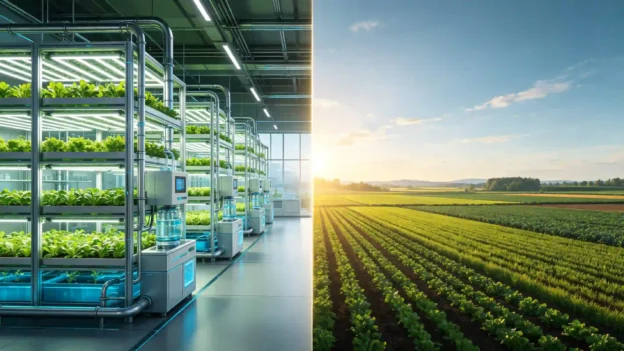
Perhaps most importantly, vertical farming will find its niche. It will not replace conventional agriculture, but it will complement it. It will supply fresh, local, high-value crops to urban markets. It will provide resilience in regions with extreme climates or limited arable land. It will serve as a platform for innovation in plant science and food technology.

Conclusion

Vertical farming and plant factories represent a new frontier in agriculture. They move food production indoors, into controlled environments where every variable can be optimized. They use less water, no pesticides, and far less land. They produce fresh, local food year-round, regardless of climate or season. They offer resilience, consistency, and quality.

But they also face real challenges: energy costs, economics, crop limitations, and scale. They are not a replacement for conventional agriculture, but a complement to it. Their future depends on continued innovation, falling costs, and smart integration with other technologies and food systems.

In the next article in this series, we will explore climate-smart agriculture—the practices and technologies that help farming adapt to climate change while reducing its own environmental impact. Vertical farming is one tool in that effort; there are many others, and together they are shaping a more resilient and sustainable future for food.

Next in the series: “Climate-Smart Agriculture: Building Resilience in a Changing World”


Запись опубликована автором в рубрике Insights.